PRA POS Restaurant Integration in Punjab
myPOS delivers PRA POS restaurant integration for dine-in, takeaway, and delivery billing, with automatic tax reporting for Punjab restaurants.





Trusted by 15,000+ businesses · 4.9/5 rating
What Is PRA POS Restaurant Integration?
Restaurants in Punjab are required to charge and report tax under the Punjab Revenue Authority's rules for restaurant services, which are handled separately from the federal FBR system most retail businesses deal with. PRA POS restaurant integration means your billing software is connected directly to PRA's reporting system, so every invoice, whether it's dine-in, takeaway, or a delivery order, is automatically calculated, QR-coded, and reported the moment the sale happens.
Without this, restaurants end up running two separate processes: one for actually billing the customer, and another for manually reporting sales to PRA later. That second process is where most compliance problems start, since it depends on someone remembering to do it correctly, every single day, across every shift.
Without PRA integration
- Two processes: billing the customer, then reporting sales to PRA later
- Depends on someone remembering to report correctly, every shift
- Manual tax registers that rarely match PRA's records
With myPOS PRA integration
- Billing software connected directly to PRA's reporting system
- Every invoice calculated, QR-coded and reported automatically
- Correct dine-in, takeaway and delivery treatment on every order
How PRA Restaurant Integration Works with myPOS
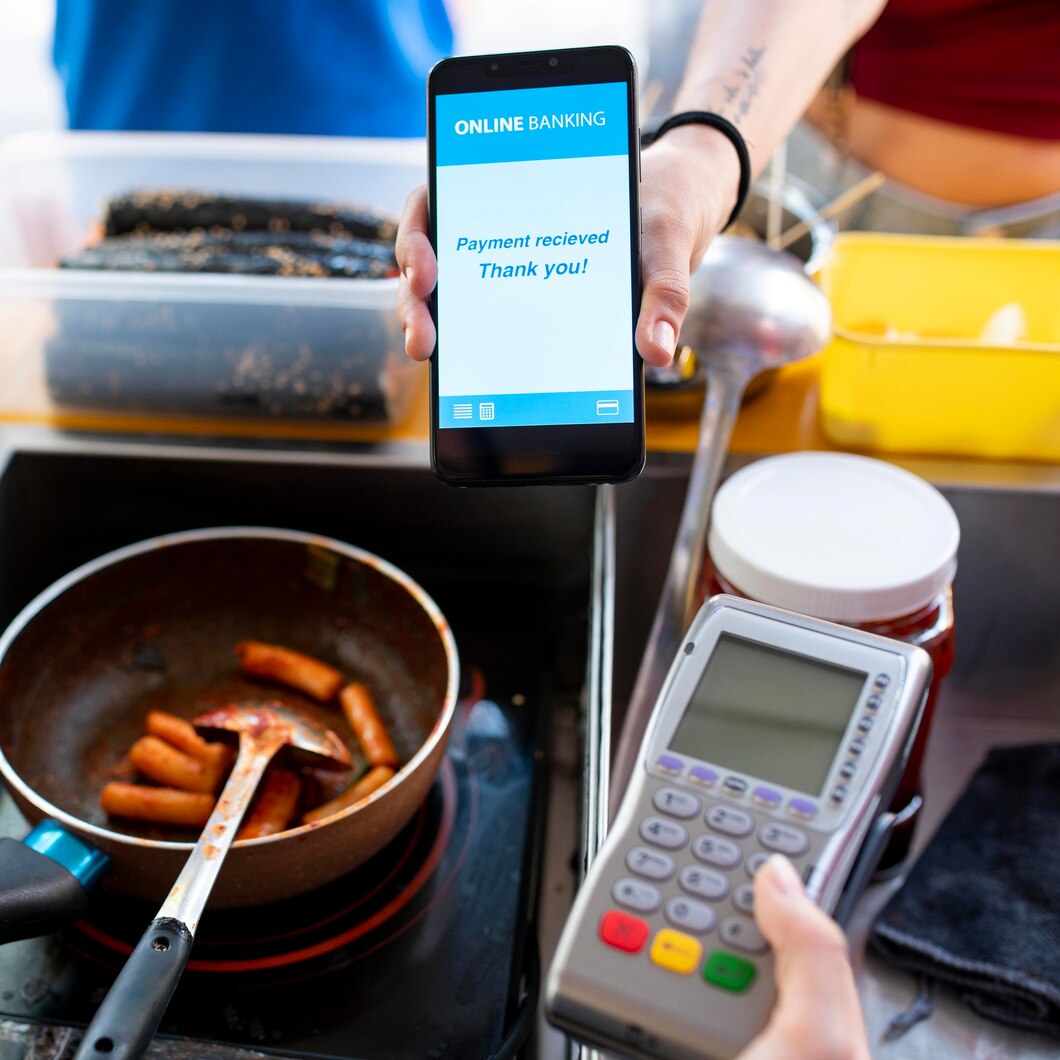
myPOS handles PRA restaurant integration at the point of sale, not as an after-the-fact reporting step. When an order is billed, whether it came from a waiter's tablet, a counter till, or a delivery app, the system calculates PRA tax automatically, generates the required QR code on the invoice, and sends the transaction data to PRA in real time.
Staff don't do anything differently. There's no extra screen, no separate tax entry, and no end-of-day reconciliation step added to their workload. The integration sits underneath your existing restaurant billing software, so kitchen order tickets, table management, and menu changes all continue working exactly as before. Tax reporting just happens alongside it.
This also solves a problem specific to restaurants: tax treatment often needs to differ between dine-in, takeaway, and delivery, and manual systems tend to blur that distinction under pressure during a rush. Automated PRA restaurant integration applies the correct treatment every time, regardless of how busy the floor is.
Order billed
From a waiter's tablet, a counter till or a delivery app.
Tax calculated
PRA tax applied automatically for dine-in, takeaway or delivery.
QR code generated
The required QR code is printed on the invoice.
Reported in real time
Transaction data is sent to PRA the moment the sale happens.
See it on your own counter — free demo, setup included.
WhatsApp reply in minutes. No obligation.
Trusted by 15,000+ businesses · 4.9/5 rating
Built for Rush Hours
Dinner rushes are when manual tax entry breaks down first. PRA POS restaurant integration through myPOS applies dine-in, takeaway, and delivery tax rules automatically on every order, so accuracy doesn't depend on how busy the floor gets or how many tickets are stacked up at once.
PRA POS Integration for Restaurant Chains and Multi-Branch Setups
Restaurant groups running multiple outlets face a version of this problem that's harder to manage manually: each branch reporting sales on its own, with no easy way to reconcile them centrally.
With PRA POS restaurant integration through myPOS, every branch reports through the same connected system, giving you one consolidated view of tax data instead of collecting spreadsheets from each location separately.
Consolidated View
All branches, one tax dashboard. No more collecting spreadsheets.
Audit-Ready
Consistent records across every branch. No branch-by-branch inconsistency to explain.
Multi-Province Ready
Handles PRA and FBR e-invoicing through the same platform if you operate across provinces.
Unified Platform
Federal and provincial reporting on one system — no separate software per authority.
What Happens Without PRA Restaurant Integration
Restaurants that delay integration usually run into a specific set of problems, not vague ones.
Mismatched Tax Registers
Manual tax registers rarely match PRA's records exactly, since they depend on staff entering data correctly after the fact.
Unexplainable Discrepancies
Discrepancies between kitchen tickets and final invoices become harder to explain once PRA starts cross-checking transaction volume against reported tax.
Inconsistent Tax Across Channels
Restaurants running multiple channels — dine-in, delivery apps, takeaway counters — often end up applying inconsistent tax treatment because no single system tracks all three the same way.
Why Restaurants in Punjab Choose myPOS
Built for Pakistani Tax
myPOS was built around Pakistani tax requirements specifically, not adapted from a generic POS system after the fact. PRA reporting logic is part of the core billing engine rather than a plugin bolted on later.
Works With Your Hardware
The platform runs on hardware restaurants already use — printers, KOTs, and existing card machines — so switching doesn't mean replacing equipment your staff are already trained on.
Local Support in Pakistan
Support is based locally in Pakistan, so questions about how a specific transaction was reported get answered by someone who understands PRA's rules directly — not a generic support queue reading from a script.
FAQs About PRA POS Restaurant Integration
Most PRA-registered restaurants are required to integrate their billing systems under provincial sales tax rules. Requirements can vary by size and registration category, so it’s worth confirming your restaurant’s specific status.
No. Tax calculation and PRA reporting happen automatically the moment a sale is processed. Staff bill exactly the way they already do.
Yes. All branches report through the same connected system, giving you centralized records instead of separate tax registers per outlet.
Non-compliance can lead to PRA notices, penalties, and closer scrutiny during audits. Restaurants that integrate early avoid the backlog of fixing months of unreported or mismatched sales data.
Most restaurant setups are completed within a few days, including staff walkthroughs, though most staff notice no change to how they actually bill customers.
Make Your Restaurant PRA Compliant
Setup takes a few days. Your staff won't notice a difference at the counter — but PRA will notice the difference in your compliance.